TLDR: Digital nomad life isn’t a beach fantasy, it’s built on structure. Secure income before you go, set up solid banking and backups, and work from proper environments. Stay insured, build routines, and travel slower for sustainability.
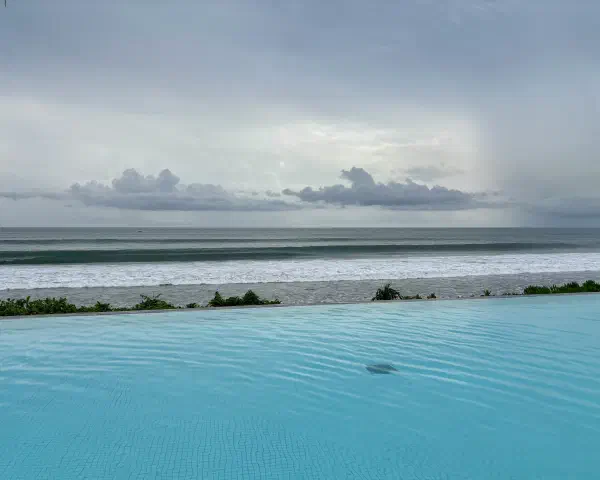
The aesthetic is everywhere: a laptop, a tropical beach, and a coconut. It’s a compelling fiction. If you are planning to turn your life into a sustainable adventure rather than a short-lived burnout, you need a grounded system. The secret to my success as a nomad hasn’t been luck; it has been redundancy. By building backups into every layer of my life, from income to internet, I turned a risky experiment into a stable lifestyle.
Here are the eight foundations of a sustainable nomad system.
1. The Engine
Source your income before you leave. Secure your remote contract or freelance base while you are still at home. Building a business from scratch while simultaneously navigating a new timezone and culture is an uphill battle you likely won’t win. If you have an established, steady stream of income, you have essentially hacked the system and are ready for the long haul.
The most common failure I see is people saving just enough to survive for 2–3 months and trying to «figure it out» once they land. This rarely works. No one hands out secret keys to online work upon arrival. Some nomads even end up asking local businesses for gigs, which is usually illegal. If you are looking for local work, you aren’t a nomad. You are a seasonal worker, often taking opportunities away from the local community.
2. Visas and Taxes
Prioritize official Remote Worker Visas. Many countries now offer 1-5 year visas specifically for nomads. Generally, you’ll need a contract with a company abroad, proof of regular income and a solid bank balance. If you are employed in Europe, consider using an agency. They handle the social insurance, tax and legal paperwork, which not only protects you but makes the move legal in the eyes of your employer. If you are a freelancer, you may need to «employ yourself» by founding a company (e.g., via Estonia’s e-Residency) to meet visa requirements.
Be mindful of the 180-day rule: staying in a country longer than six months usually makes you a tax subject there. While many nomads play a triangle game (switching countries every few months to avoid residency) this carries risks too. Working on a wrong visa can lead to deportation or blacklisting, as seen with the dedicated task forces in hubs like Bali. More importantly, it can create «hidden permanent establishment» risks for your employer, leading to severe legal consequences for the company.
3. Banking Redundancy
Establish a multi-card system. Once your income is steady, set up accounts with Wise and Revolut neobanks. Wise is exceptional for low-fee international transfers, while Revolut’s one-time virtual cards are a perfect shield against shady websites. Always carry a physical backup credit card stored separately from your primary ones, as some accomodations and airlines still reject debit cards.
Avoid bringing large amounts of cash to exchange at your destination. Exchange rates are often unfavorable, and the risk of being scammed is high. I use Apple or Google Pay for security or withdraw cash from ATMs inside bank branches to avoid card skimming and high fees.
The backup cards have saved me multiple times. Once an ATM in rural Java kept my card. Retrieving it required a full week and several visits to the local bank branch. On another occasion, a card was blocked due to «suspicious online activity» and had to be replaced at a temporary address. Without secondary cards, both situations would have escalated quickly. Redundancy is not paranoia, it is operational stability.
4. Technical Redundancy
Build a fail-safe tech stack. To be a reliable professional, you cannot blame bad Wi-Fi for missed deadlines. Use two SIM cards from different providers (e.g., a local SIM + an international E-SIM like Saily) to ensure you always have a hotspot. Use a VPN to access public Wi-Fi safely and optionally use a dedicated IP for business context.
Power is the other half of the equation. Carry a high-capacity power bank to bridge the first 3 hours of a local outage. If an outage lasts longer, move to an international hotel with a generator.
Finally, «harden» your hardware, ensure your disks are encrypted and set your devices to factory reset after multiple failed login attempts. Back everything up to a cloud service (i use rclone and a small provider but you can also use Google or Microsoft). I once had to relocate from an entire island on Palawan because a week-long power outage turned resilience into denial. However with the powerbank and access to one source of electricity it was possible to keep the most important tasks going.
5. Risk Management
The longer you are on the road, the higher the probability of an incident. Invest in comprehensive international travel insurance. Furthermore, only obtain an International Driving Permit (IDP) from your home country’s official vehicle department. Online services are almost always scams. I once got an IDP issued for a truck license instead the motorbike license I sent in. If you have an accident without a valid IDP, no insurance will cover you and you risk being denied medical treatment in countries that require upfront cash for those without valid documentation.
Redundancy is also critical for your identity. Keep encrypted digital copies of every important document (passport, insurance cards, driving licenses, work contracts, bank statements). I store these in 1Password, but any reliable, encrypted manager works. This ensures that even if your physical bags are stolen, your “legal self” is available on any device, both online and offline.
6. Work Environment
The image of a laptop on a tropical beach is the ultimate nomad dream. In reality, direct sunlight makes a display unreadable, sand in your keyboard is a nightmare and a beach chair is a recipe for chronic back pain within a week. Furthermore, the «nomad entitlement» of occupying a café table for six hours while buying one coffee is causing a backlash in places like Spain and Mexico. Respect the local environment by choosing professional spaces designed for work.
If you have high-intensity work, you need a dedicated desk and a comfortable chair. Use coworking spaces for a social atmosphere or coliving spaces to find a pre-built professional community. When moving to a new city, never book more than three days online. Always visit a place in person to verify before committing long-term. You can often negotiate a better rate by talking to the host directly.
7. Routine and Longevity
Master your schedule to protect your freedom. A daily routine is the only thing that prevents the constant pull of novelty from turning into burnout. To maintain professional consistency, stay in the same area for at least one month. This allows you to really dive into a place while working and gives you a good pace for the long run. Consider a hybrid work week: working full-time in some phases to build capital and part-time (three to four days) in others to truly experience your surroundings without the stress of falling behind.
Routine is what allows you to sync with the world. Many successful nomads enjoy nature in the morning and work in the afternoons to align with European or American timezones. Without this structure, the lifestyle quickly becomes a chaotic “short phase” rather than a sustainable career path. By staying longer and working predictably, you aren’t just passing through the world—you are living in it.)
8. Beyond the Nomad Bubble
While hubs like Bali, Da Nang or Mexico City offer an easy life, they come with a systemic cost of gentrification. The most rewarding experiences often happen when you step outside the “nomad bubble,” reducing your impact on local housing prices and finding a more authentic connection to the world.
Master your environment or it will master you.
Operational Notes
- Wise.com Neo bank with best rates
- Revolut.com Neo bank with most advanced features
- Saily.com Worldwide eSIM mobile data
- 1password.com Password and document manager
- Mulvad.net Privacy focused VPN (zero logs)
- Nordvpn.com VPN and many other tools for security (logged)
- Internationaldrivingpermit.org Official International Driving Permit website
- Citizenremote.com Comprehensive overview of remote work visas
- Vamoz.io Legal services for digital nomads
- Packandwork.com Legal services for digital nomads in Switzerland