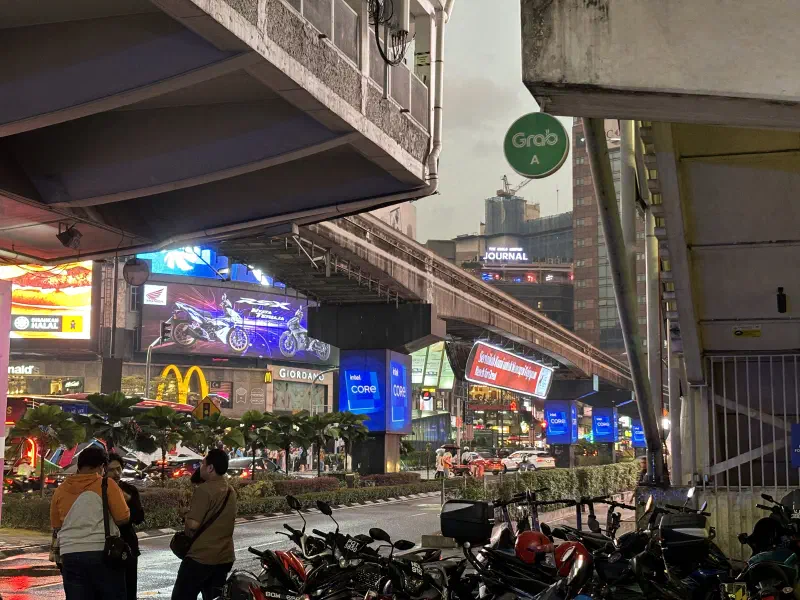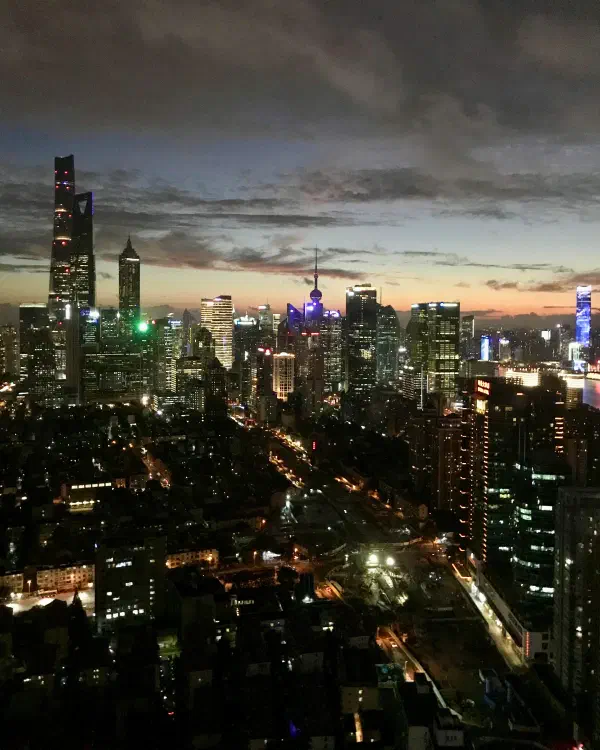
Kuala Lumpur is a destination, not only a layover. Spending two months deep in the capital changes your perspective entirely. The city is a hyper-dense exercise in vertical infrastructure.
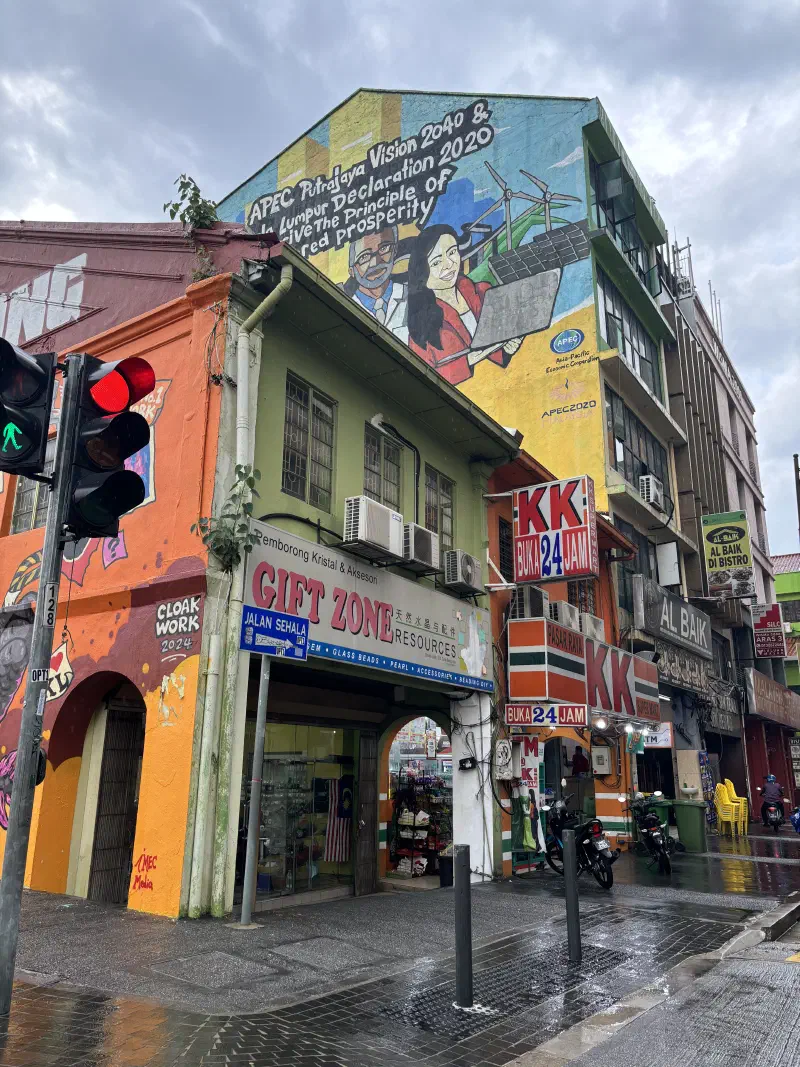
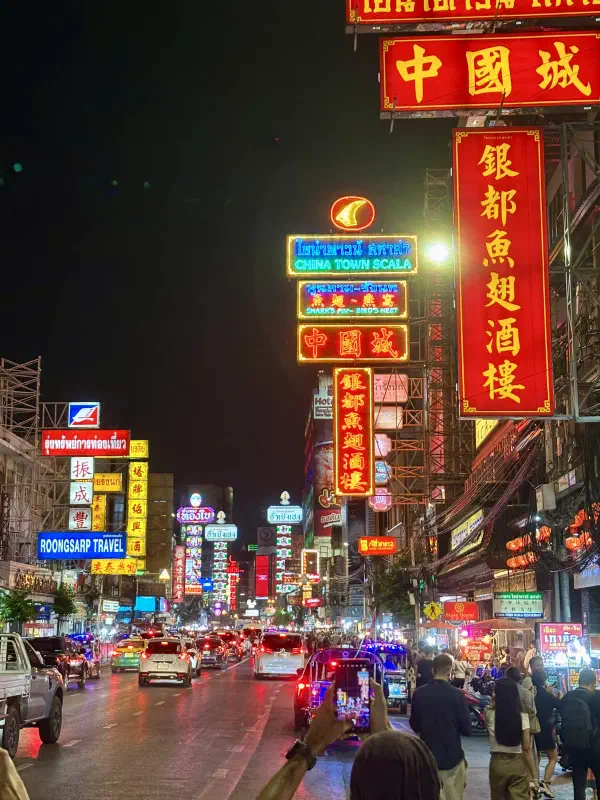
The language overlap is incredibly practical. Because Indonesian and Malay are closely linked, navigating the region is entirely seamless. Within the core grid, deep-rooted Chinese enclaves completely preserve their original culture and linguistic source code across generations without compromise.
The city is also an intense culinary hub, cleanly partitioned between historic Chinese clans, Malay kitchens, Indian trade hubs and Arab merchant blocks that create an incredible, daily accessible flavor matrix.
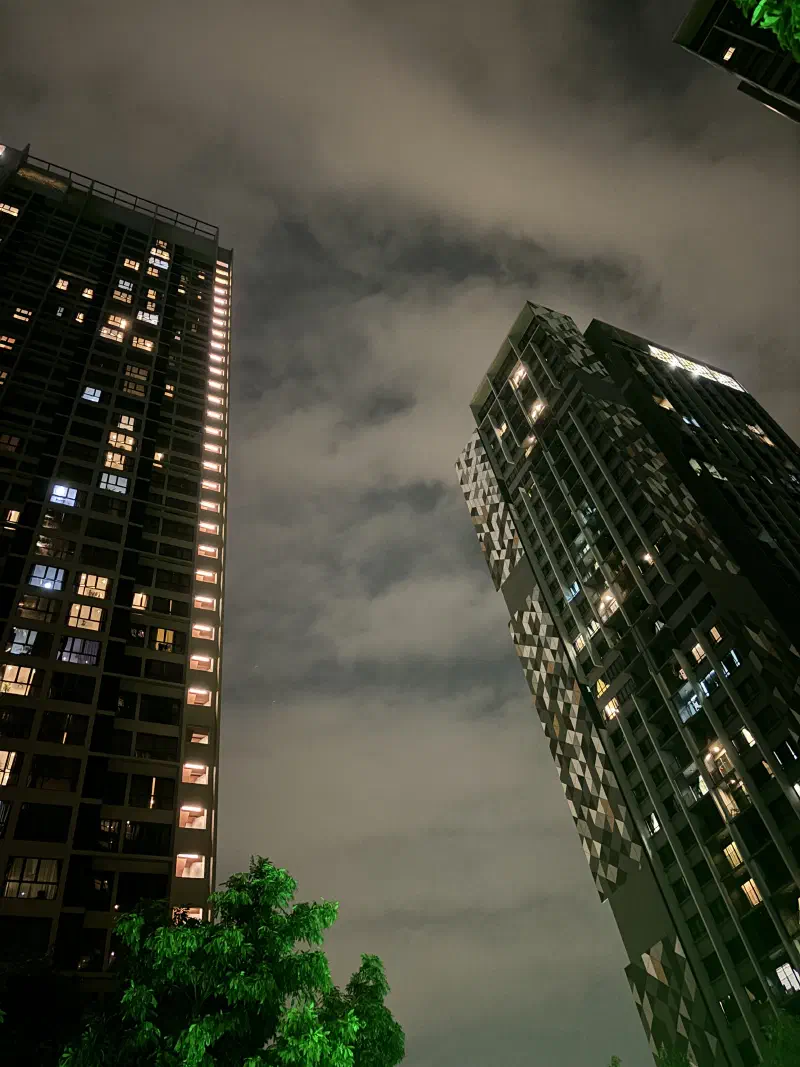
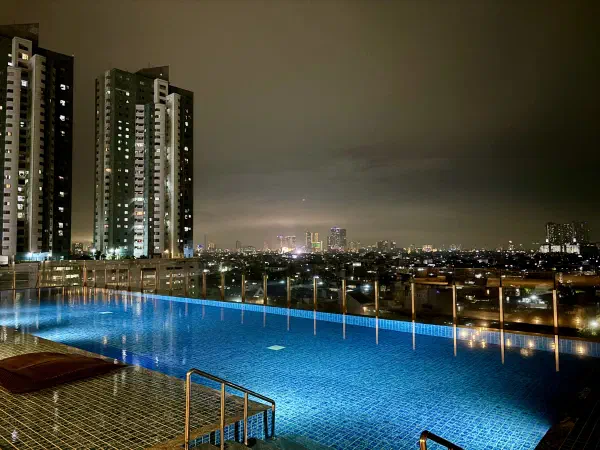
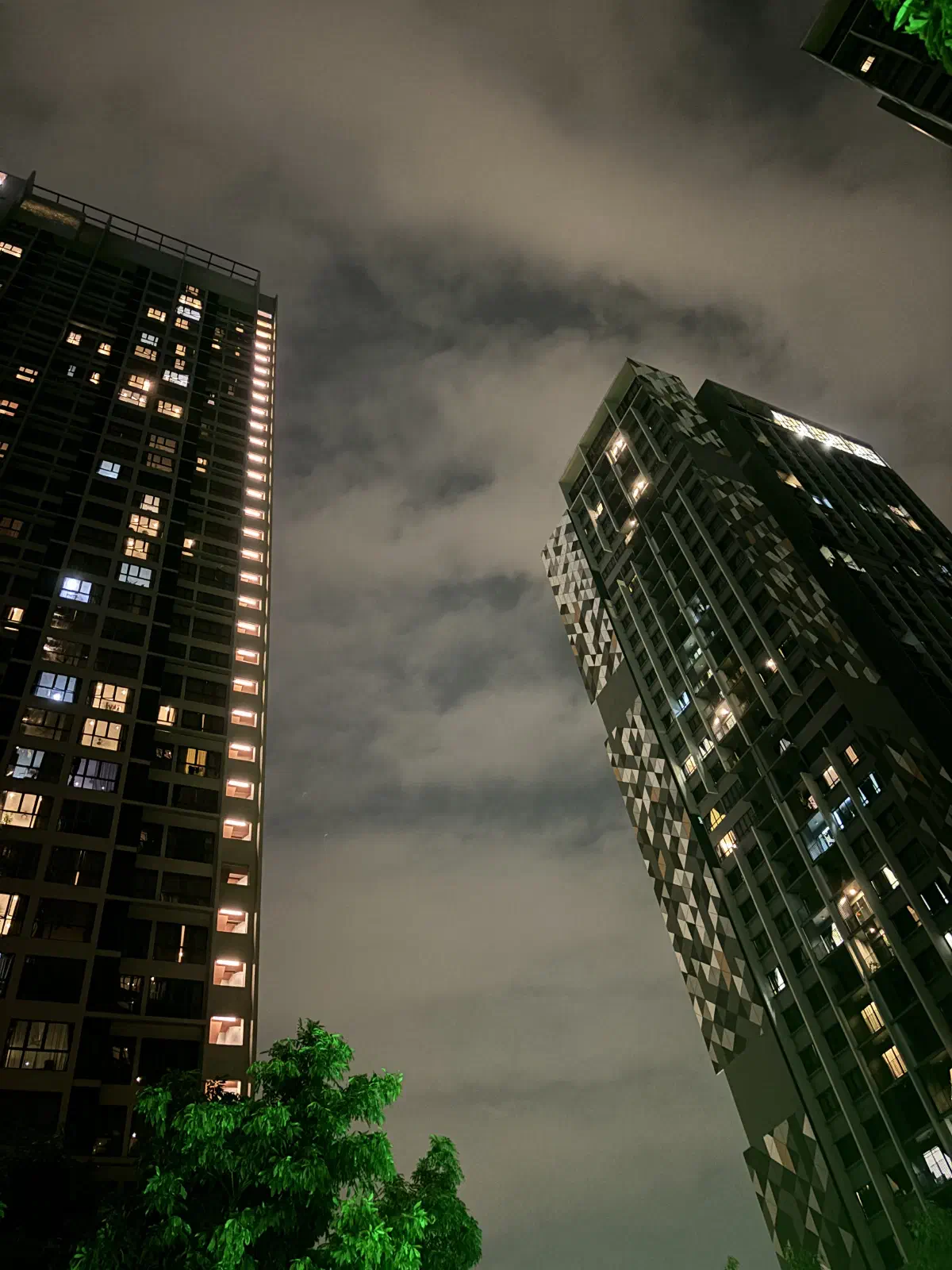
My residential block was a sixty-story monster. Eight vertical towers fused at the base into a single concrete monolith. A massive private sky park on the tenth floor cuts out the city transit noise below. With 24-hour security gates, internal markets and local pharmacies, you can live and run your entire workflow inside a completely closed ecosystem.
Speculative building loops by Chinese investment funds created a massive real estate surplus. A premium three-room apartment on the 40th floor costs a mere $250 USD a month. This housing saturation crashed city rents, completely decoupling modern urban living from elite wealth brackets and allowing local workers and students to reclaim the city center from the outer suburbs.
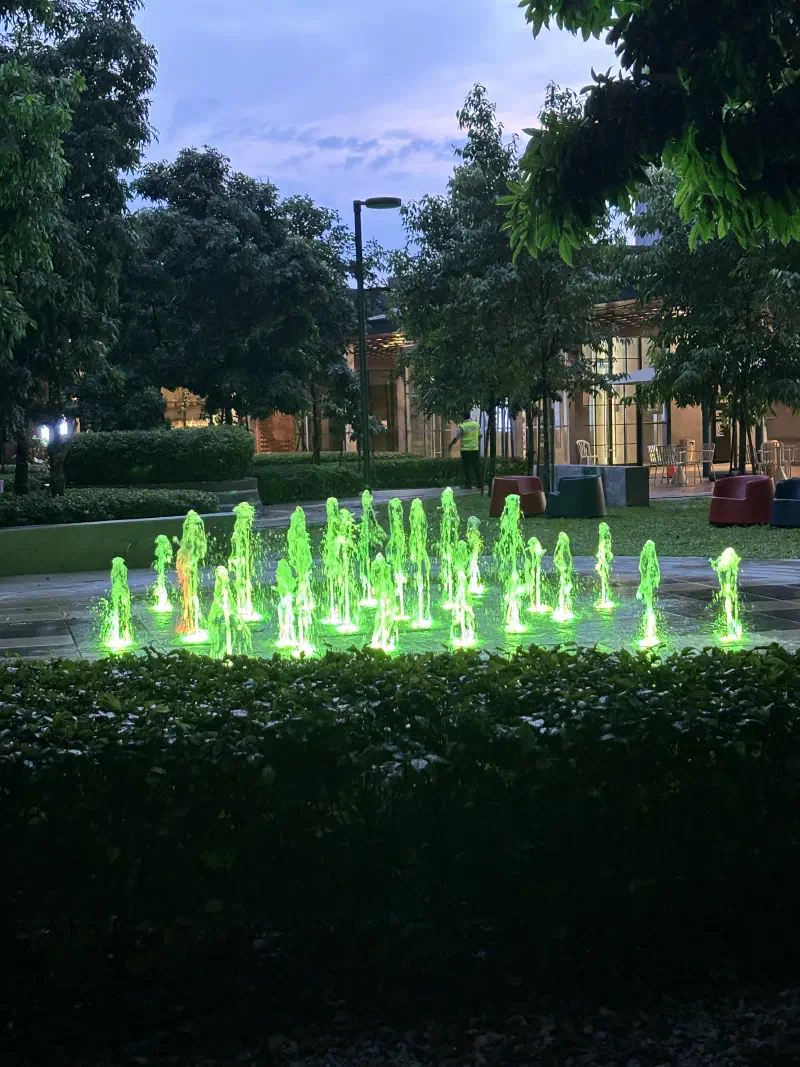
Early mornings on the tenth-floor sky park are a quiet sanctuary. Residents walk concrete loops with morning tea to clear their minds before the tropical midday humidity sets in. At night, a youth-run karaoke bar on the concrete terrace brings the space to life.
The subcultural underground is just as intense. Independent hubs like the Zhongshan Building and the dripping basements of the local underground label networks maintain a raw, zero-compromise frequency. The country moves fast, but its creative subcultures remain stubbornly fixed to their own baseline.
Visual Logs #