[本文亦提供 中文 版本。]
The Elemental Impulse #
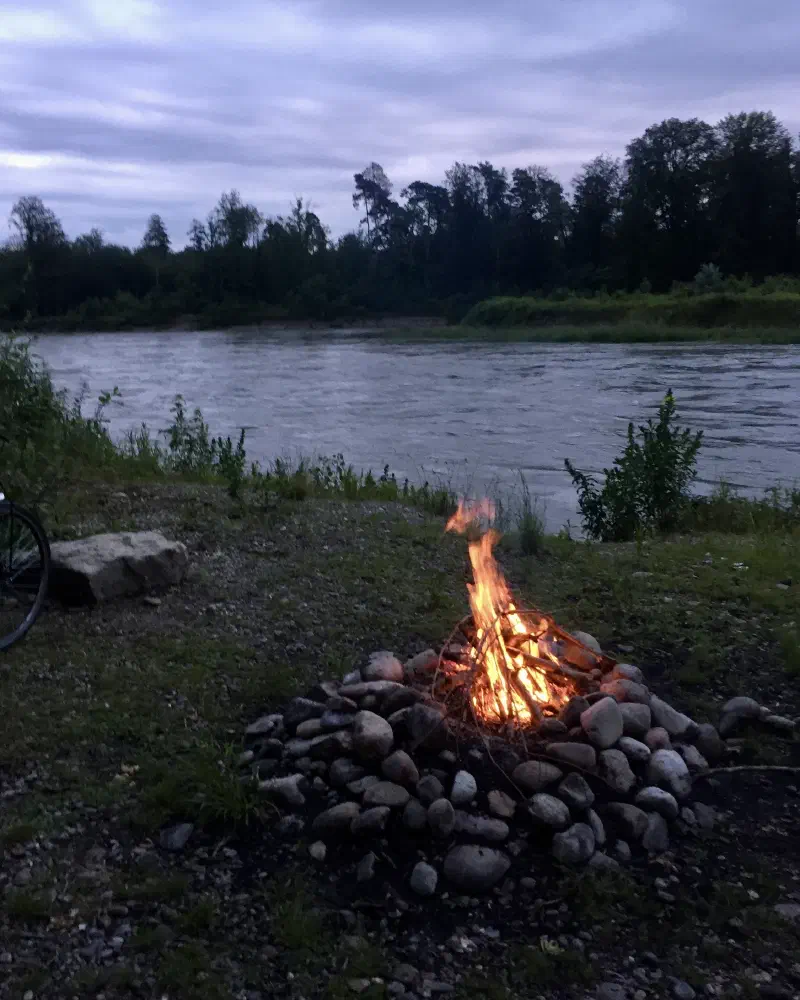
Fire has occupied my consciousness since early childhood. Long before I could fully articulate the parameters of the physical world, I was captivated by the raw mechanics of everything that burns, glows or sparks.
There is an absolute, animalistic frequency to an open flame. Growing up in the lower Swiss Jura, where the cold can catch you unexpectedly even during a summer night in the forest, lighting a fire became a utility and a regluar ritual. It provides a specific, penetrating warmth that no modern energy source can replicate. The same ancestral signature lives on inside the wooden stoves still found in remote households and alpine shelter huts across the heights of Europe.
Cooking over an open fire carries that same primitive, raw quality. The smoke behaves as a natural ingredient, infusing an unrepeatable depth into meat, vegetables or bread. When you sleep under the open sky and maintain a flame, your relationship with the environment recalibrates. The modern city noise drops away, leaving only an organic, ancient baseline of survival.
The Spiritual Highway #
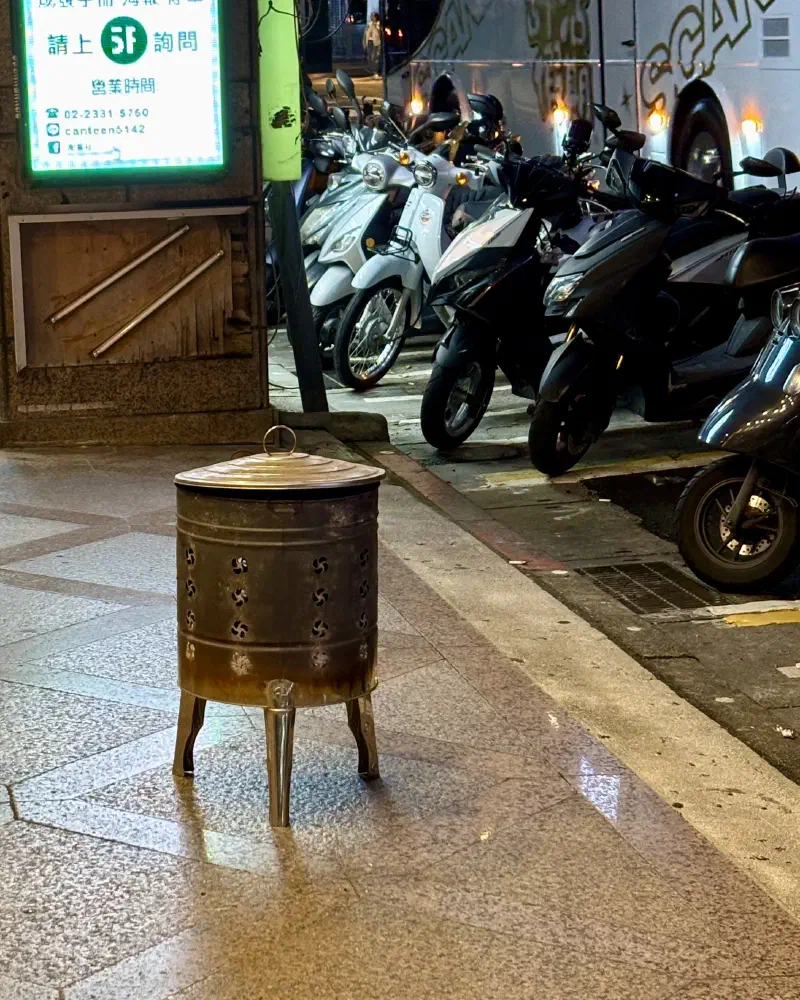
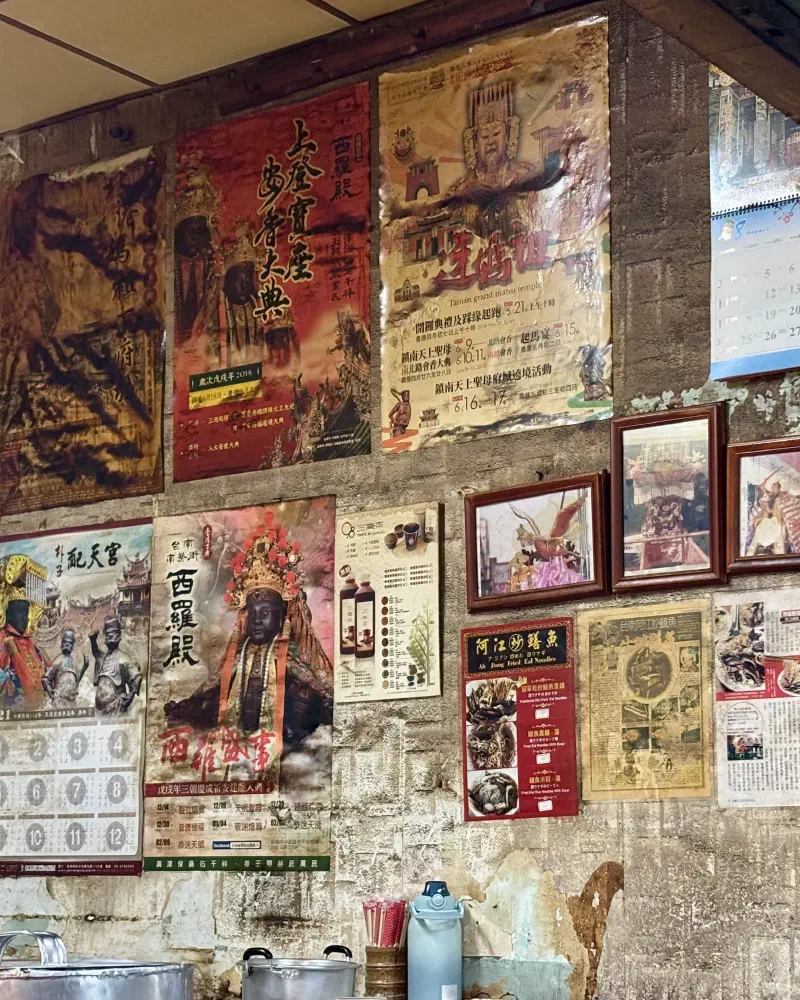
Upon first entering Taiwan I immediately noticed how deeply the mechanics of fire are integrated into the daily infrastructure of the culture. Walking through the urban grids, you constantly encounter small, red or gold-painted steel cylinders placed directly on the concrete sidewalks. These are Jīnlú (金爐), the Gold Ovens.
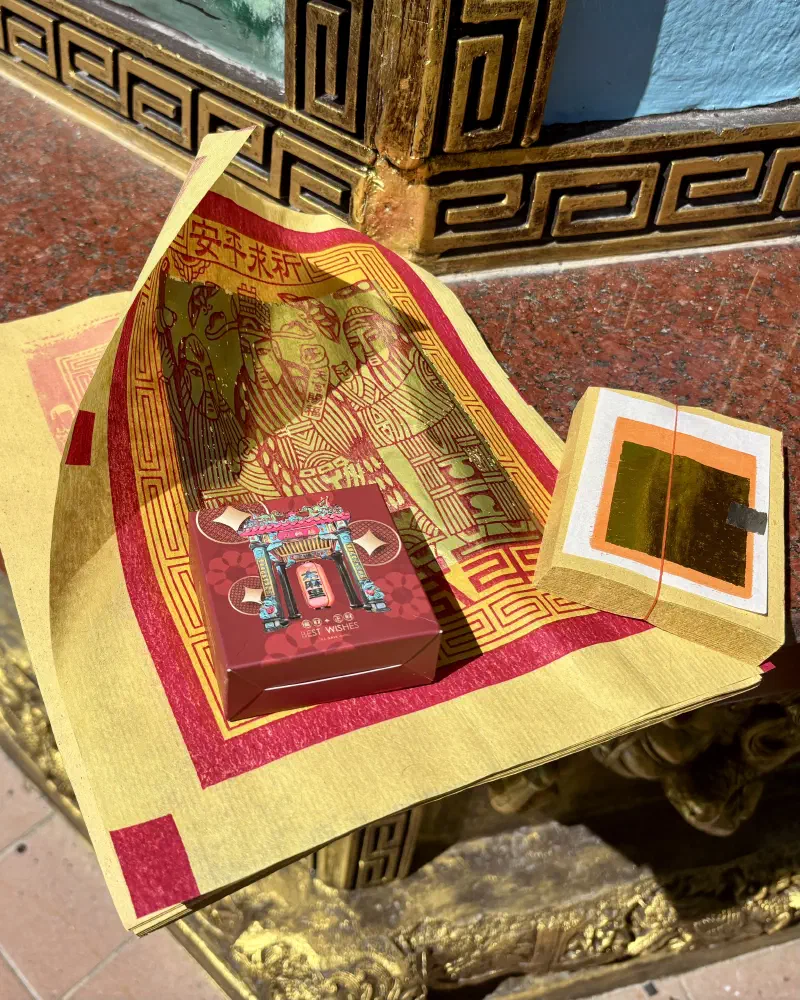
In Taoist practice, deities and underworld spirits are summoned outside the boundaries of the home or business. By placing the burner on the public path, worshippers utilize the open sky as a spiritual highway, allowing the smoke and offerings to rise without obstruction. Within these vessels, devotees burn Jinzhi (金紙) and Yinzhi (銀紙), sacred sacrificial paper beautifully adorned with gold and silver foil. This act of transformation turns the paper into heavenly currency, clothing and infrastructure for deceased ancestors and ancestral spirits. Fire, in this context, is not an agent of destruction but a literal medium of transport and communication.
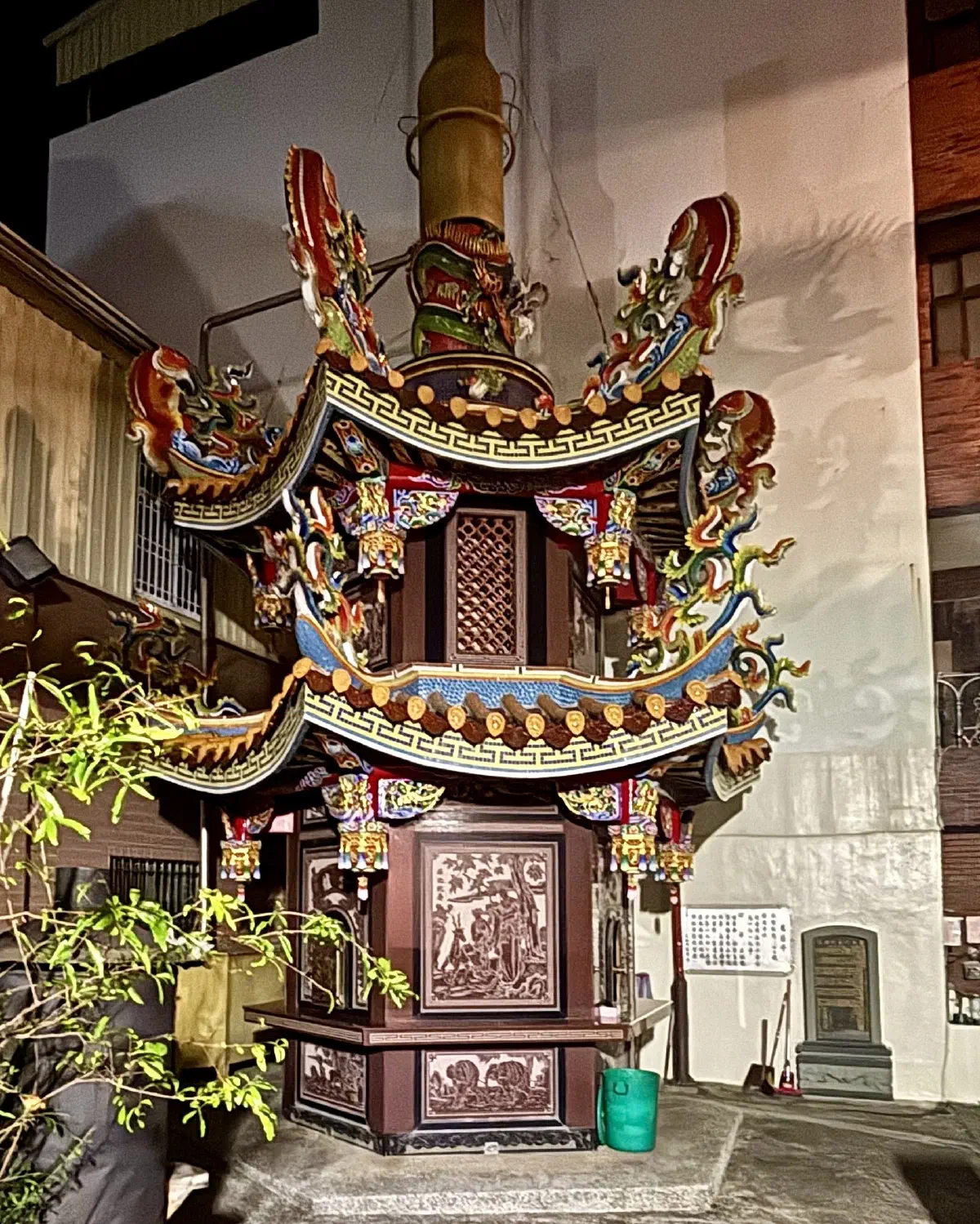
On a larger scale, these ancestral kilns become permanent brick and stone pagodas built directly into temple courtyards, cleanly managing the massive volume of devotion processed daily. The smoke of the paper, alongside the steady burn of incense, carries the names, thoughts and prayers of the living directly into the ears of the gods.
The Art of Transience #
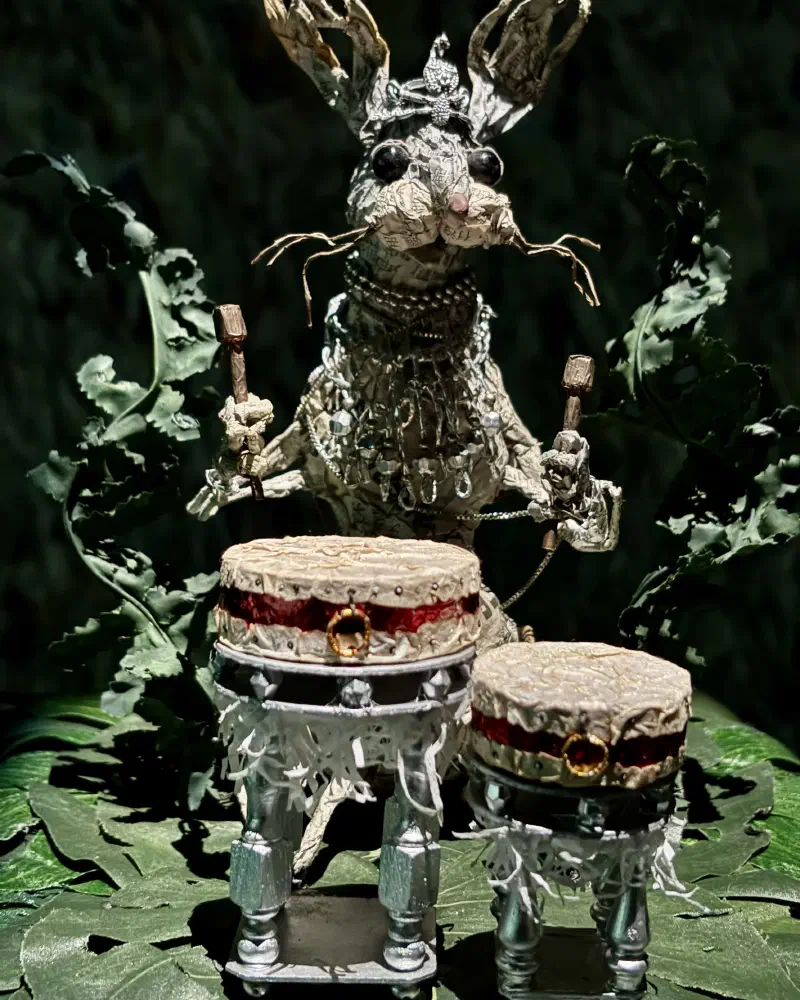
This relationship between transience and craftsmanship reaches its peak in the traditional art of Zhizha (紙紮) used during funeral rituals. Far from being simple paper cutouts, traditional Zhizha is an elite, highly respected discipline requiring decades of strict training.
Artisans build complex, flexible skeletons out of split bamboo sticks, meticulously wrapping the framework in hand-painted paper, papier-mâché and silk to create detailed models of houses, objects and attendants. It is an sacred craft that is structurally struggling to survive in a modern, automated market.
This specific tension between heritage and contemporary life was beautifully captured in an exhibition I tracked by the Taiwanese artist Zhang Xu Zhan. Raised within a multi-generational family of Zhizha craftsmen, the artist chose to expand his father’s struggling trade into the realm of contemporary art. By using these painstakingly crafted paper statues as the baseline for complex, avant-garde stop-motion films, his work breathes a strange, melancholic vitality into the craft, bridging traditional Taoist methodology with Southeast Asian animist traditions.
Purifying Tides #
Ultimately, fire within the Taoist matrix serves as the ultimate cosmic regularizer. It is visible in Guohuo (過火), the intense fire-walking rituals where barefoot priests carry deity palanquins directly over beds of glowing charcoal to purify the human vessel of bad karma and recharge the spiritual battery of the gods. It defines Shaowangchuan (燒王船), where massive intricately detailed wooden King Boats are set ablaze on the shoreline, burning down to the water’s edge to send away plague spirits and allow the deities to return to the heavens.
This elemental alignment echoes across the entire equatorial grid. In Balinese Hinduism, fire anchors both daily maintenance and major life transitions. During the Sanghyang Djaran (horse dance), a performer enters a deep trance state to invite a protective spirit, physically stomping his bare feet through a blazing heap of burning coconut husks completely uninjured to cleanse the village perimeter. During Ngaben (cremation), the ritual is celebrated not with solemn grief, but with expansive joy. The physical body is placed inside a massive, colorful papier-mâché sarcophagus shaped like a winged bull or dragon and returned to the ash—a liberating force releasing the Atman (soul) from its temporary physical cage to allow for reincarnation or final liberation.
At the multi-faith sanctuary of Kataragama, Tamil Hindus and Sinhala Buddhists fast, pray and bathe in the local river before walking barefoot across beds of red-hot embers to demonstrate absolute devotion to the deity Murugan. Similarly, during the Phuket Vegetarian Festival, devotees deeply influenced by Chinese Mahayana traditions execute intense acts of somatic mortification, running across burning charcoal to cleanse the community baseline and invite the blessings of the Nine Emperor Gods.
Fire remains our most ancient medium. It teaches us that text, memory and the physical vessel can all be cleanly dissolved. And that true clarity often requires us to let the old structures burn completely to the ground so that the spirit can move forward.
Sonic Layer #
Visual Logs #